Fourth and Inches from the House: What the Red Zone Reveals About Your Betting Game
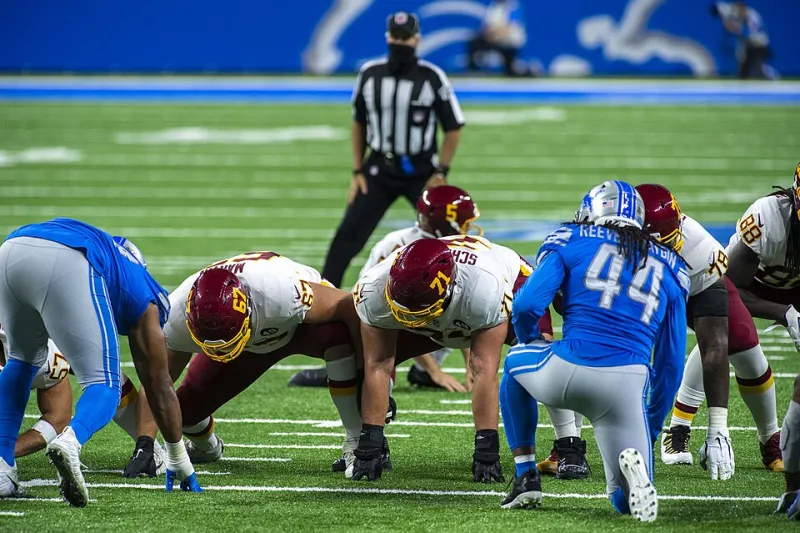
Photo: All-Pro Reels from District of Columbia, USA, CC BY-SA 2.0, via Wikimedia Commons
There's a moment in every NFL game that separates the bettors who actually know what they're doing from the ones who are just riding the hype. It's not the Hail Mary. It's not the fourth-quarter comeback. It's that grinding, muddy, shoulder-to-shoulder battle inside the five-yard line — and the markets built around it are some of the most exploitable in all of sports wagering.
At 33Bet Sports, we talk a lot about finding edges before the books close them. The red zone, specifically the goal-line, is one of those rare pockets where the edge is real, recurring, and consistently overlooked by the casual bettor.
Why the Goal Line Is an Emotional Trap for Casual Bettors
Here's the thing about red zone betting: it feels obvious. Your team is at the two-yard line, you've got Derrick Henry in the backfield, and the crowd is electric. Of course they're scoring, right? That gut-level confidence is exactly what sportsbooks are counting on.
Casual bettors flood goal-line markets with money driven by recency bias, team loyalty, and narrative momentum. A running back who just had a 120-yard game looks unstoppable. A team that scored three touchdowns in the second half last week feels like a lock inside the five. The books see this behavior in real time, and they shade their lines accordingly — not to reflect true probability, but to balance action and protect their margin.
Sharp bettors don't see the narrative. They see the number, and they ask one question: Is this price accurate?
The Variables Vegas Prices Slowly (And You Can Price Faster)
Sportsbooks are sophisticated operations, but they're also running hundreds of markets simultaneously. Certain situational factors consistently lag in red zone pricing, and disciplined bettors can exploit that lag.
Defensive Personnel Packages
Goal-line defense is a specialist's game. Teams like the San Francisco 49ers and Baltimore Ravens have invested heavily in jumbo defensive packages — big bodies designed specifically to stuff short-yardage runs. When those units are healthy, scoring a rushing touchdown inside the two is measurably harder than the market often reflects. Injury reports are public. Depth chart shuffles happen mid-week. Books adjust, but not always fast enough.
If a team's starting nose tackle or goal-line linebacker is listed as questionable and plays anyway at 50% capacity, that information can shift expected value significantly — and the line might not move a full point to compensate.
Weather as a Multiplier, Not Just a Factor
Every bettor knows to check weather for totals. Fewer bettors apply weather logic to goal-line situations specifically. Wind above 20 mph doesn't just suppress passing — it fundamentally changes red zone play-calling. Teams lean on the run, offensive coordinators get conservative, and goal-line plays become more predictable. Predictable plays are easier to defend. That's a real edge for the defense, and it's often underweighted in touchdown scorer and short-yardage markets.
Late-season games in Buffalo, Chicago, or Green Bay deserve extra scrutiny on any goal-line prop or red zone total market.
Play-Calling Tendencies Under Specific Coordinators
This is the one casual bettors almost never study. Offensive coordinators have fingerprints. Some coordinators are aggressive at the goal line — they'll go for it on fourth and one without hesitation. Others get conservative and predictable, telegraphing the QB sneak or the outside toss that defenses have already diagnosed.
Sites like TruMedia and Pro Football Reference publish red zone efficiency data broken down by personnel grouping and down-and-distance. Cross-referencing a coordinator's historical tendencies against the defense they're facing that week is exactly the kind of research that separates a sharp ticket from a gut-feel wager.
Which Goal-Line Bet Types Actually Offer Value
Not all red zone markets are created equal. Here's a quick breakdown of where disciplined bettors find the most consistent expected value:
Anytime Touchdown Scorer Props
This is the most popular market and, consequently, the most efficiently priced — most of the time. The exception? Backup running backs on teams with injury concerns at the starter position. Books are slower to reprice these markets after a Wednesday or Thursday injury update. A backup who suddenly becomes the primary goal-line option on a team that runs the ball heavily can represent significant mispriced value at +150 or better.
Team to Score First in the Red Zone
This market, where available, often reflects overall team strength rather than situational red zone efficiency. A team that's a general underdog might actually be elite inside the 20 — and that discrepancy is where value lives.
Red Zone Totals (Over/Under Touchdowns)
In high-wind or cold-weather games, the under on red zone touchdowns is frequently undervalued. Teams stall, settle for field goals, and the market — built on fair-weather efficiency numbers — doesn't always adjust aggressively enough.
The Discipline Factor
Here's the honest truth: none of this matters if you're not disciplined. The red zone is emotionally charged by design. Your favorite team is close to paydirt, the broadcast is hyping up the moment, and your instinct is to bet with the offense.
Sharp bettors at 33Bet Sports know that the goal line is where the sloppy money goes — and where the careful, prepared bettor gets paid. Build your process around the variables Vegas prices slowly, focus on the bet types with the widest inefficiency windows, and treat every goal-line market like a puzzle to solve rather than a coin flip to call.
The books aren't your enemy. Lazy thinking is.